
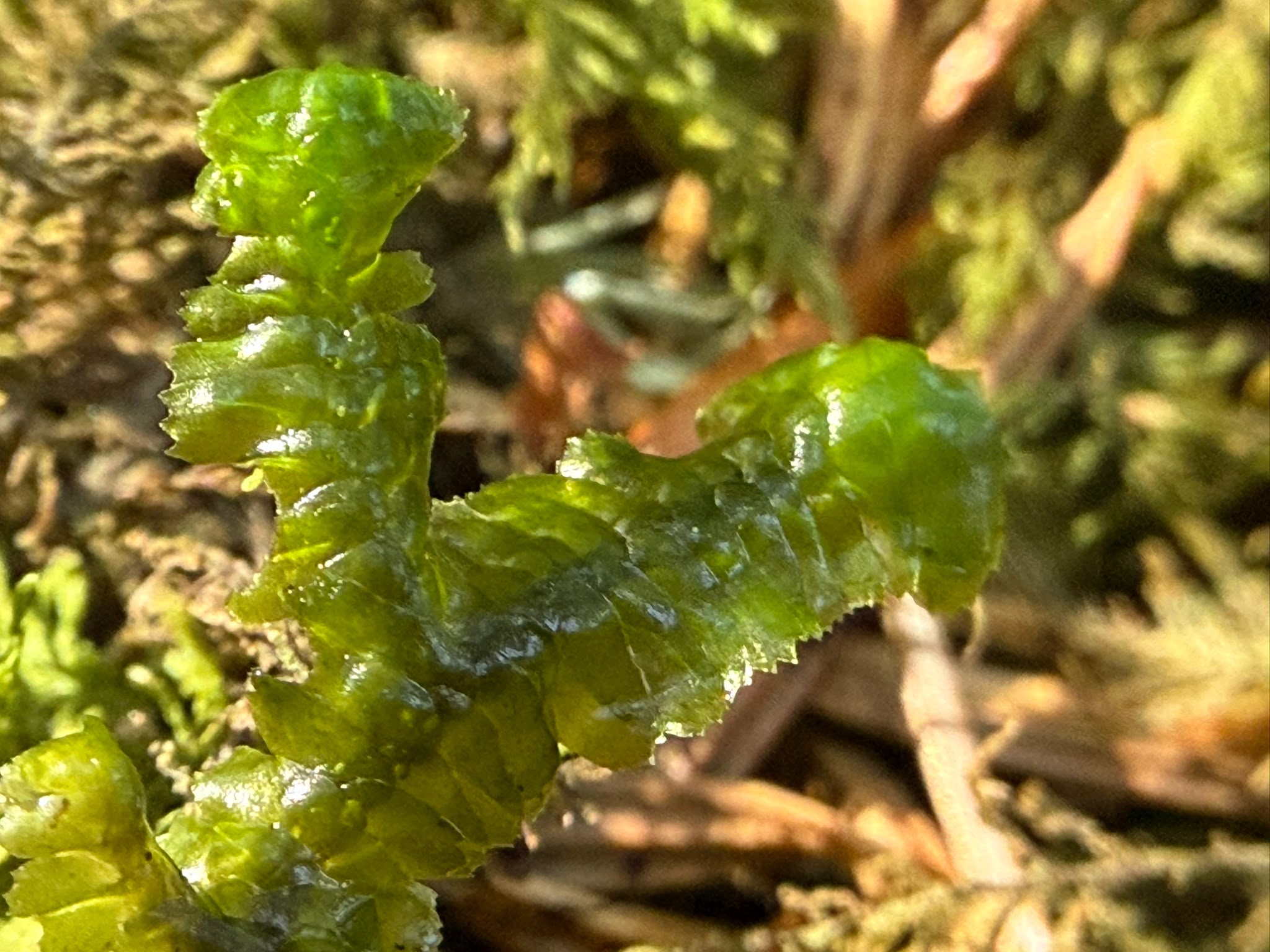

The reason for the excursion was not gold. It was moss.
More precisely, it was Palustriella commutata, a moss associated with calcareous springs and streams. Under the right conditions, it can contribute to the formation of remarkable limestone deposits. In places, these deposits build up into structures that look almost like the walls of a limestone cave—a kind of open-air version of the formations one normally associates with stalactite and stalagmite caves.
charon — 12:21;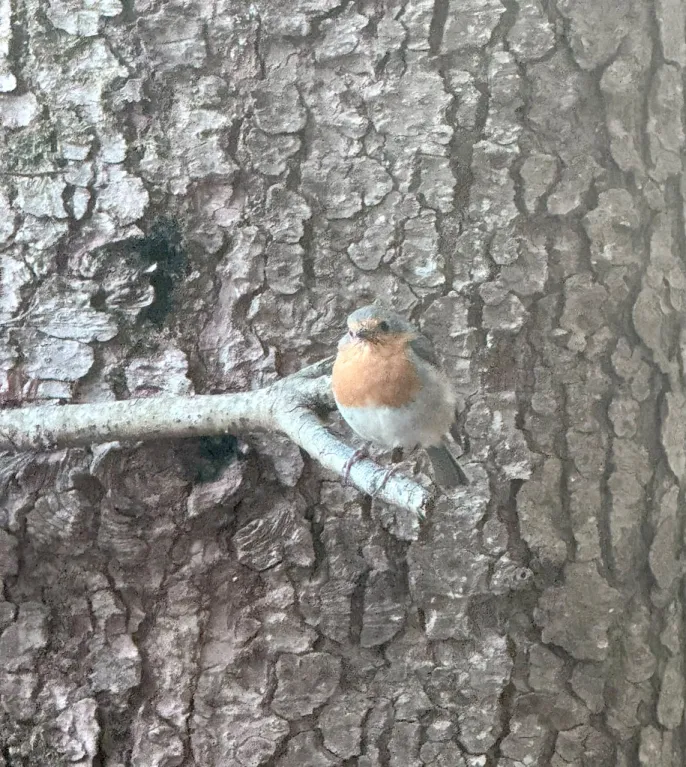 Rotkehlchen
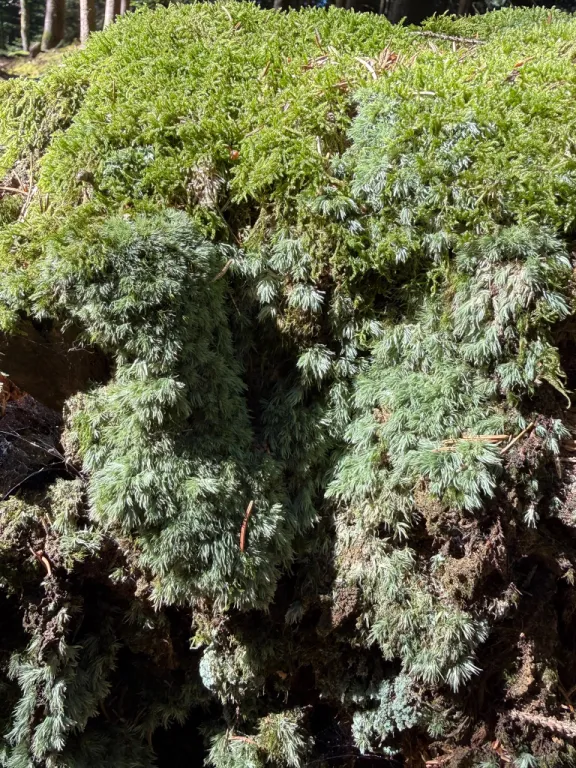
Unten: Ordenskissen-Moos (Leucobryum glaucum)
charon — 06:93;
https://youtu.be/rVmczHRMUrc?is=7zfmfOMidmW88OY1YouTubeSwiss WritersTantra universe dahar.ch
Oben: Gewöhnliches Schlafmoos (Hypnum cupressiforme)
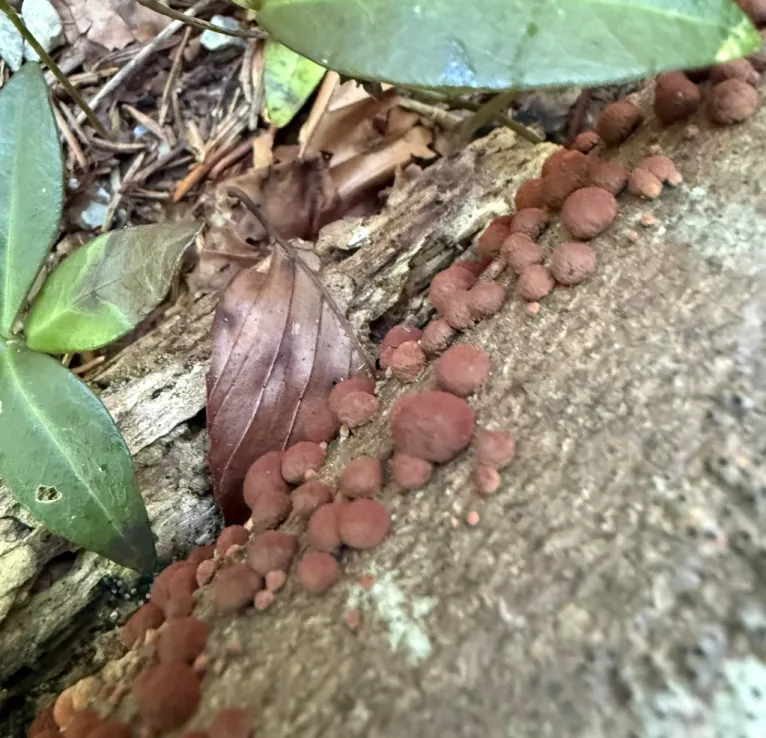
Rötliche Kohlenbeere (Hypoxylon fragiforme), auf Buche
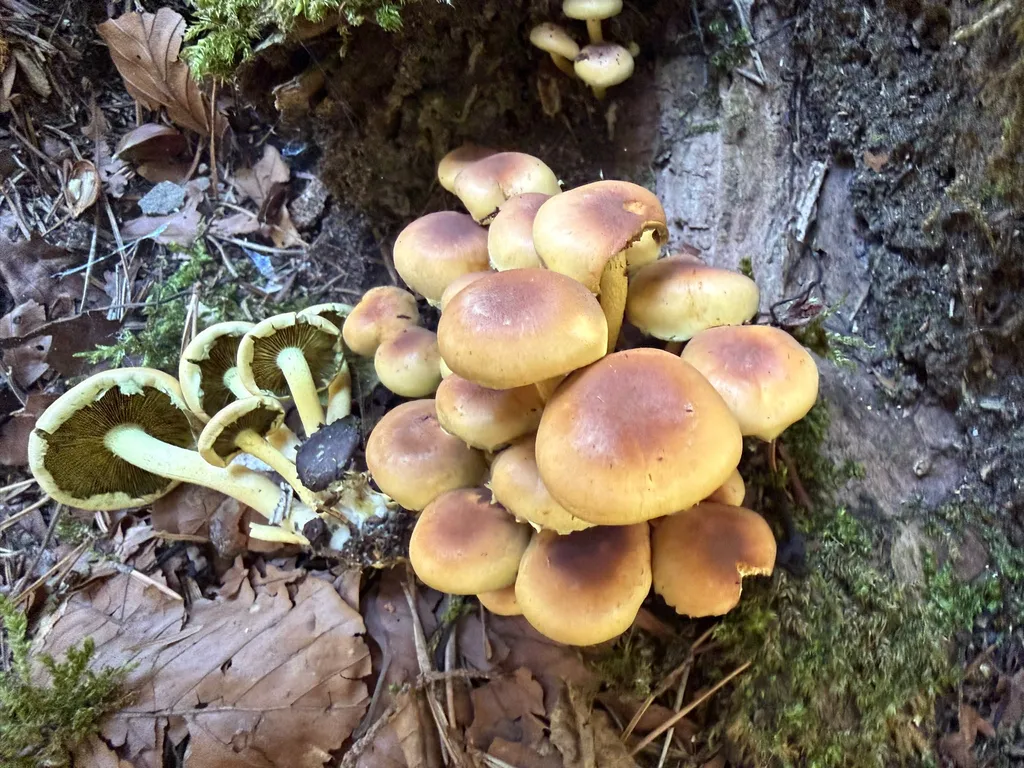
Grünblättriger Schwefelkopf (Hypholoma fasciculare), stark giftig
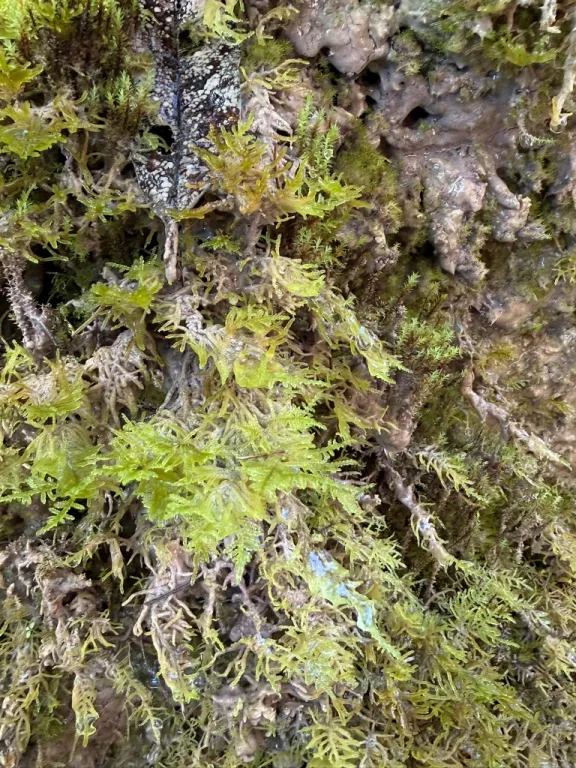
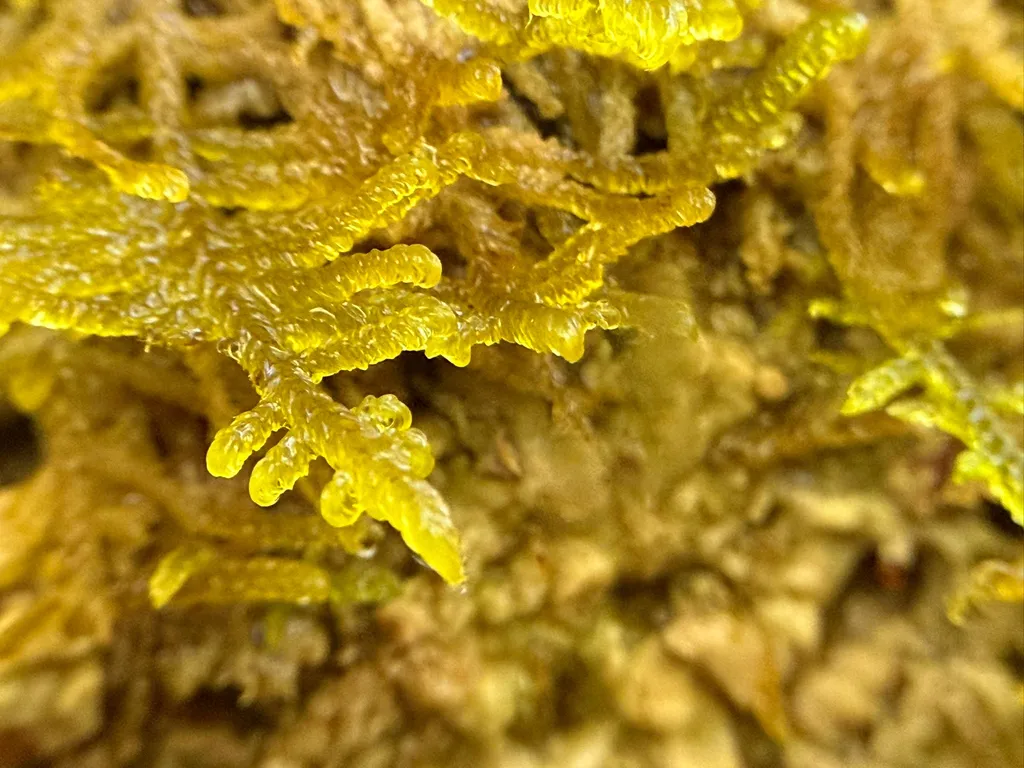
Tuff-Felsen gebildet von: Gewöhnliches Starknervmoos (Palustriella commutata)
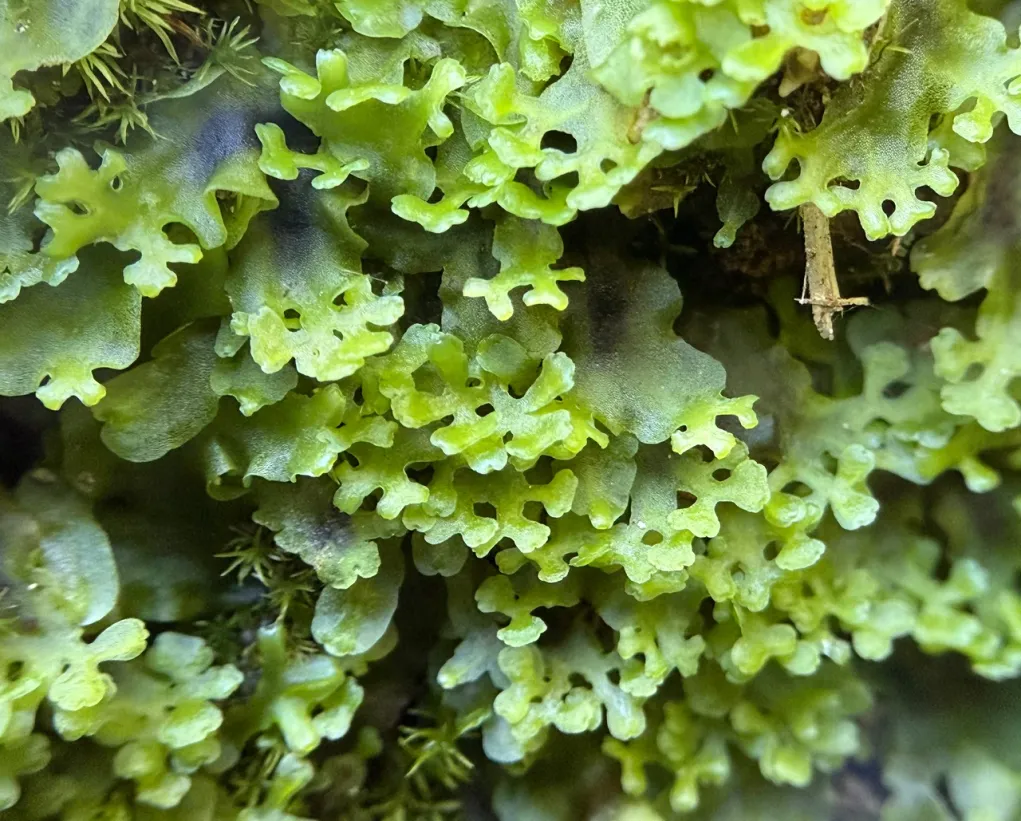
Geweih-Beckenlebermoos (Pellia endiviifolia)
That was what brought us to the three ravines, or Tobel, near Schmerikon. The gold is almost an afterthought. It is possible to search for gold there by hand, but recreational gold panning requires a permit from the municipality or canton. And even then, a successful day might produce only around a gram. The geological and biological curiosity of the place is considerably more interesting than the prospect of getting rich.
What fascinated us was this small, easily overlooked moss and what it can create over time. It is a reminder that some of the most remarkable features of a landscape are not necessarily produced by large animals, spectacular plants or dramatic geological events. Sometimes they are built, millimetre by millimetre, by something as inconspicuous as a moss growing in the right kind of water.
This is one of the reasons I have started looking more closely at the natural world around my home. What initially seemed like an ordinary walk can turn into an excursion into botany, bryology, mycology, ornithology—and even geology.


